5 Clear Signs Your Roof Needs a Gentle Soft Wash Treatment
Living on the Sunshine Coast means enjoying plenty of sun, warm temperatures and coastal breezes. It also means your roof copes with high humidity, salt-laden air, summer storms and regular rainfall, all of which create ideal conditions for organic growth. If you have noticed your roof looking tired or discoloured, it may be time for a soft wash treatment. Here are five clear signs to watch for, along with an explanation of why a gentle approach is the right way to care for your roof.
What Is a Soft Wash Treatment?
A soft wash treatment uses low-pressure water combined with specially formulated, biodegradable cleaning solutions to remove moss, lichen, algae, mould and built-up grime from roofing surfaces. Unlike high-pressure washing, which can strip protective coatings, dislodge tiles and force water beneath roof materials, soft washing works by killing growth at the source. The treatment lifts away contaminants without damaging the roof surface.
This matters particularly in Queensland, where many roofs are made from concrete tiles, terracotta tiles or Colorbond steel. Each material responds differently to cleaning, and a gentle method protects the surface while still delivering excellent results. Many manufacturers also advise against aggressive pressure cleaning, so soft washing is often the safer choice for preserving warranties and extending roof life.
Sign 1: Dark Streaks and Black Staining
The most common and noticeable sign is dark, vertical streaking running down your roof. These streaks are typically caused by algae, often a type called Gloeocapsa magma, which spreads easily in warm, humid climates like ours. The streaks start out faint and grow darker and more widespread over time.
Why It Matters
While algae might look like a purely cosmetic issue, it holds moisture against the roof surface. Over months and years, this can accelerate the breakdown of tile glazing and coatings. Dark roofs also absorb more heat, which can slightly increase the temperature inside your home during the Sunshine Coast summer. If you see streaks appearing on the south or shaded sides of your roof first, that is a typical early pattern, since those areas stay damp for longer.
Sign 2: Moss and Lichen Growth
Patches of green, yellow, orange or grey growth on your roof are signs of moss or lichen. Moss tends to form thick, spongy clumps, especially along tile edges, in valleys and beneath overhanging trees. Lichen appears as flat, crusty patches that cling tightly to the surface.

Why It Matters
Moss and lichen are more than an eyesore. Moss acts like a sponge, retaining water against your roof and encouraging deterioration. In tiled roofs, it can work its way into gaps between tiles and, over time, lift them slightly or block water flow. Lichen produces mild acids that gradually etch into the roof surface. Removing these growths early with a gentle treatment prevents more costly repairs later.
Sign 3: Blocked or Overflowing Gutters and Valleys
If your gutters regularly fill with granules, grit, moss fragments or debris, your roof may be shedding material because of organic growth. Similarly, if water is pooling or overflowing in roof valleys during rain, built-up growth and debris could be restricting the flow.
Why It Matters
Proper drainage is essential for roof health, especially during Queensland's intense summer downpours. Slow-draining valleys and gutters can lead to water backing up under tiles or flashing. A soft wash helps clear growth from these critical channels, and when paired with a gutter clean, it keeps water moving as it should.
Sign 4: Your Roof Looks Faded, Dull or Patchy
Has your roof lost its original colour? Surface growth, pollution, salt deposits and general grime can make a roof appear much older than it is. Patchy discolouration, where some sections look clean and others look dull or stained, is a common indicator that biological growth is taking hold unevenly.
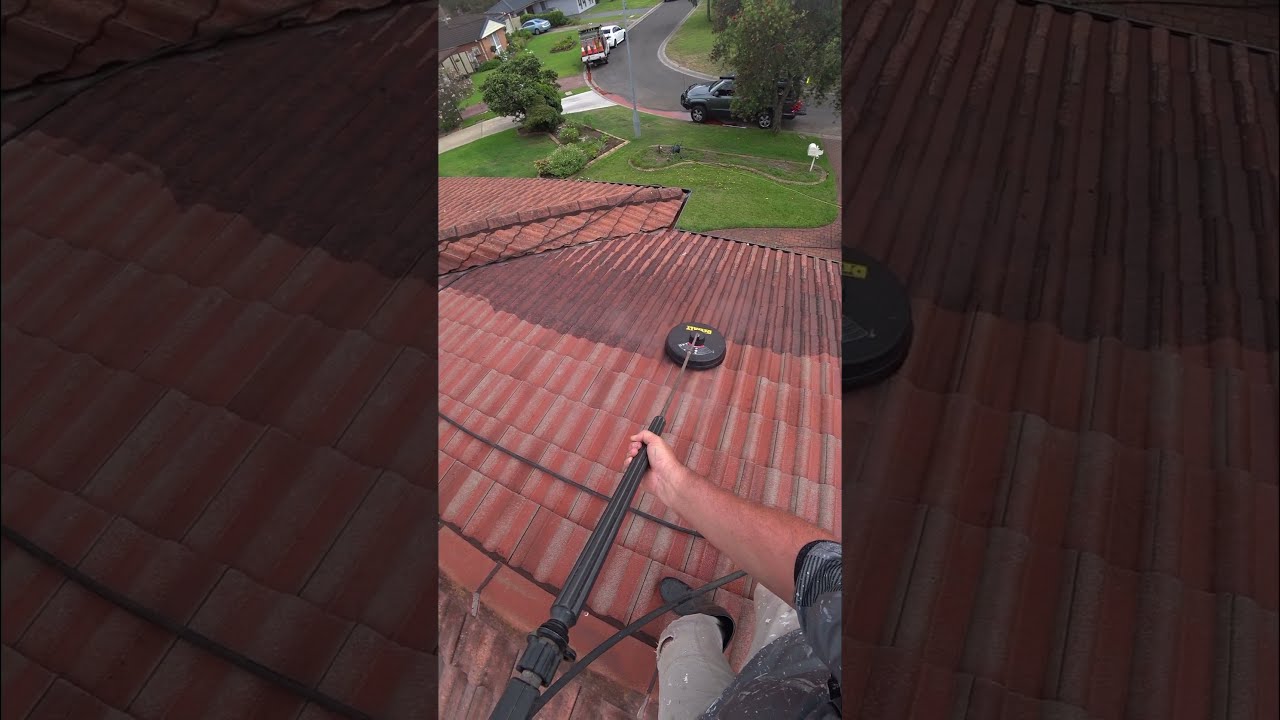
Why It Matters
A faded or patchy roof can reduce your home's overall appearance and street appeal. This is especially relevant if you are thinking about selling or having your property valued. A professional soft wash often restores a roof's colour dramatically, and in many cases homeowners find the roof looks years younger without needing replacement or repainting. Sometimes what appears to be a failing roof is simply a dirty one.
Sign 5: Increased Indoor Heat or Musty Smells
This sign is less obvious, but it can be telling. If your home feels warmer than usual during summer, or you notice musty odours near the ceiling or in the roof space, surface growth may be contributing. Heavy moss retains moisture, and darkened roofs absorb more solar heat. While these issues can have other causes, such as poor insulation or ventilation, a heavily soiled roof is worth considering as a contributing factor.
Why It Matters
Moisture-related problems can affect the roof structure and indoor air quality over time. If you notice persistent damp smells, have a qualified roofer check the roof space for leaks or ventilation problems in addition to arranging a surface clean. A soft wash addresses the exterior contamination, but it is not a substitute for repairing damaged tiles, cracked pointing or failed flashing.
Why Soft Washing Suits Sunshine Coast Homes
Our region's subtropical climate creates a year-round environment where algae, mould and moss thrive. Homes near the coast also deal with salt spray, while properties near bushland or established trees collect leaf litter, pollen and shade-loving growth. Soft washing is well suited to these conditions for several reasons:
- Gentle on materials: Low pressure protects tile glazing, sealants, and metal roofing coatings.
- Longer-lasting results: Treatment targets the roots of growth, so roofs stay cleaner for longer than with pressure washing alone.
- Safer for gardens and surroundings: Quality biodegradable solutions, applied correctly, are designed to minimise impact on plants, pets and waterways.
- Cost-effective maintenance: Regular cleaning can delay the need for expensive repairs, recoating or replacement.
- Improved appearance: A clean roof significantly boosts kerb appeal and can support property value.
How Often Should You Soft Wash Your Roof?
As a general guide, most Sunshine Coast roofs benefit from a soft wash every two to four years, depending on factors such as tree coverage, roof pitch, shading and proximity to the coast. Roofs under heavy canopy or on the shadier side of a property may need attention more often. Many homeowners find that scheduling a roof inspection alongside a cleaning gives them a clear picture of overall roof condition and helps them plan maintenance well ahead.
Why You Should Avoid DIY Pressure Washing
It can be tempting to hire a pressure washer and tackle the roof yourself, but this approach carries real risks. High pressure can crack or displace tiles, remove protective surface layers, damage ridge capping and force water into the roof cavity. https://landenxncy035.fairmontdigest.com/posts/why-roof-cleaning-matters-before-selling-a-coastal-home Working at height is also dangerous, and falls from roofs remain a serious cause of injury in Australia. A professional soft wash team has the right equipment, safety systems and knowledge of different roofing materials to do the job properly and safely.
What to Look for in a Roof Soft Wash Provider
When choosing a local provider, consider asking the following:
- Do they use low-pressure methods and biodegradable, roof-safe cleaning solutions?
- Are they fully insured and do they follow working-at-height safety procedures?
- Can they explain how they protect your gardens, pool and surrounding areas during treatment?
- Do they have experience with your specific roof type, whether tile or metal?
- Will they provide a clear written quote and explain what results to expect?
Final Thoughts
Dark streaks, moss and lichen, blocked drainage, faded colour and indoor heat or damp odours are all clear signals that your roof could benefit from a soft wash treatment. Acting early protects your roof, maintains your home's appearance and helps avoid unnecessary repair bills down the track. If you have noticed any of these signs, arrange a professional roof inspection and cleaning quote from a trusted Sunshine Coast provider, and give your roof the gentle care it needs to handle our climate for years to come.
Sunshine Coast Roof Cleaning Pros
Unit 2/47 Enterprise St, Kunda Park QLD 4556, Australia
(07) 4158 6008